Dr. Peppa
Peptide news, checked against the documents.
-
Is TB-500 the same as thymosin beta-4? The FDA says no
Almost every article about TB-500 cites research on thymosin beta-4, a different molecule. FDA states plainly that they are not the same substance, and that it found no human data on TB-500 at all. Here's the distinction and why it changes what the evidence means.
-
Which peptides did the FDA committee vote on in July 2026?
On July 23–24, 2026, an FDA advisory committee voted on seven peptides: BPC-157, KPV, TB-500, MOTS-c, emideltide, epitalon and semax. Six got favorable recommendations, over the objection of FDA's own scientists. Here is the full table, what each vote means, and what has happened since.
-
What is pentadeca arginate (PDA), and is it just BPC-157?
PDA appeared in the peptide market after BPC-157 lost its compounding pathway. The chemistry is real: it's an arginine salt of the same 15-amino-acid peptide, patented in 2013. Almost everything else said about it comes from sellers. No study of the arginate salt has ever been published.
-
What does "research use only" actually mean on a peptide vial?
Peptide vials are routinely labeled "for research use only" or "not for human consumption." Sellers treat that phrase as legal cover. FDA does not. Its position, stated in warning letters through 2026, is that how a product is marketed decides what it legally is.
-
Did the FDA approve SS-31? Yes, for one rare disease
SS-31 (elamipretide) was approved by the FDA on September 19, 2025, sold as Forzinity. The approval covers one ultra-rare genetic condition, Barth syndrome, and it came through the accelerated pathway on a 12-patient trial. Every other use discussed online is unapproved.
-
Is BPC-157 legal? What the FDA record says as of September 2026
Short answer: BPC-157 is not an FDA-approved drug, and pharmacies still can't legally compound it. An FDA advisory committee voted in July 2026 to recommend changing that, but the vote doesn't change the law by itself, and no rule has followed. Here's the full status, with the documents.
-
Is thymosin alpha-1 FDA approved? No, and the confusion is understandable
Thymosin alpha-1 is often described online as FDA-approved, sometimes by doctors. It isn't. FDA's own 2024 advisory committee slides say it is not approved in the United States. It is approved in a number of other countries, which is where the confusion comes from.
-
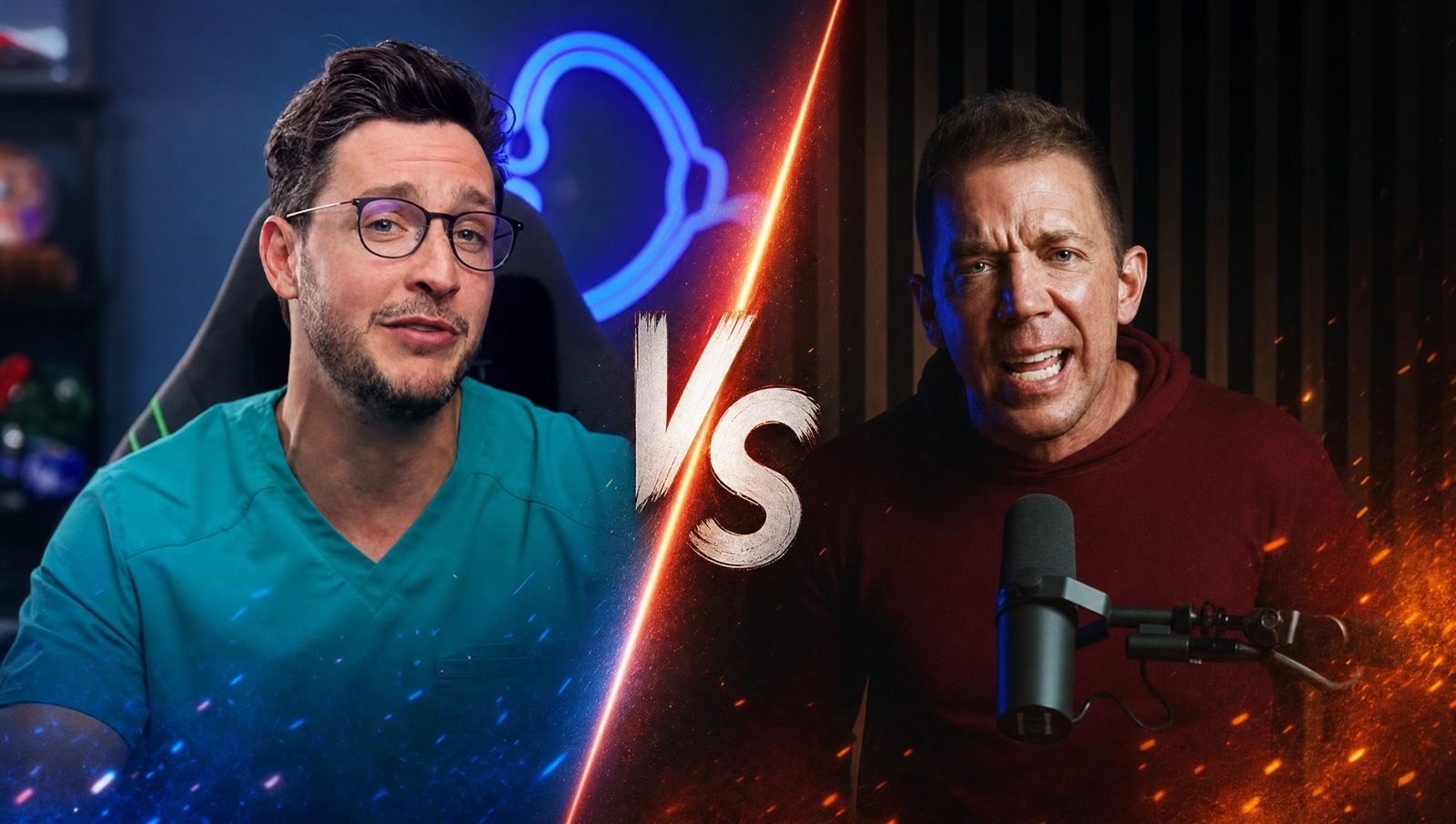
Doctor Mike vs. Dr. Alex Tatem on the FDA peptide vote: we checked the documents
Two physicians with big YouTube audiences put out dueling videos about July's FDA advisory vote on seven peptides. We read the regulation, the FDA briefing packets, the roster and the court docket. Each of them is right about something, and each gets something wrong.
-
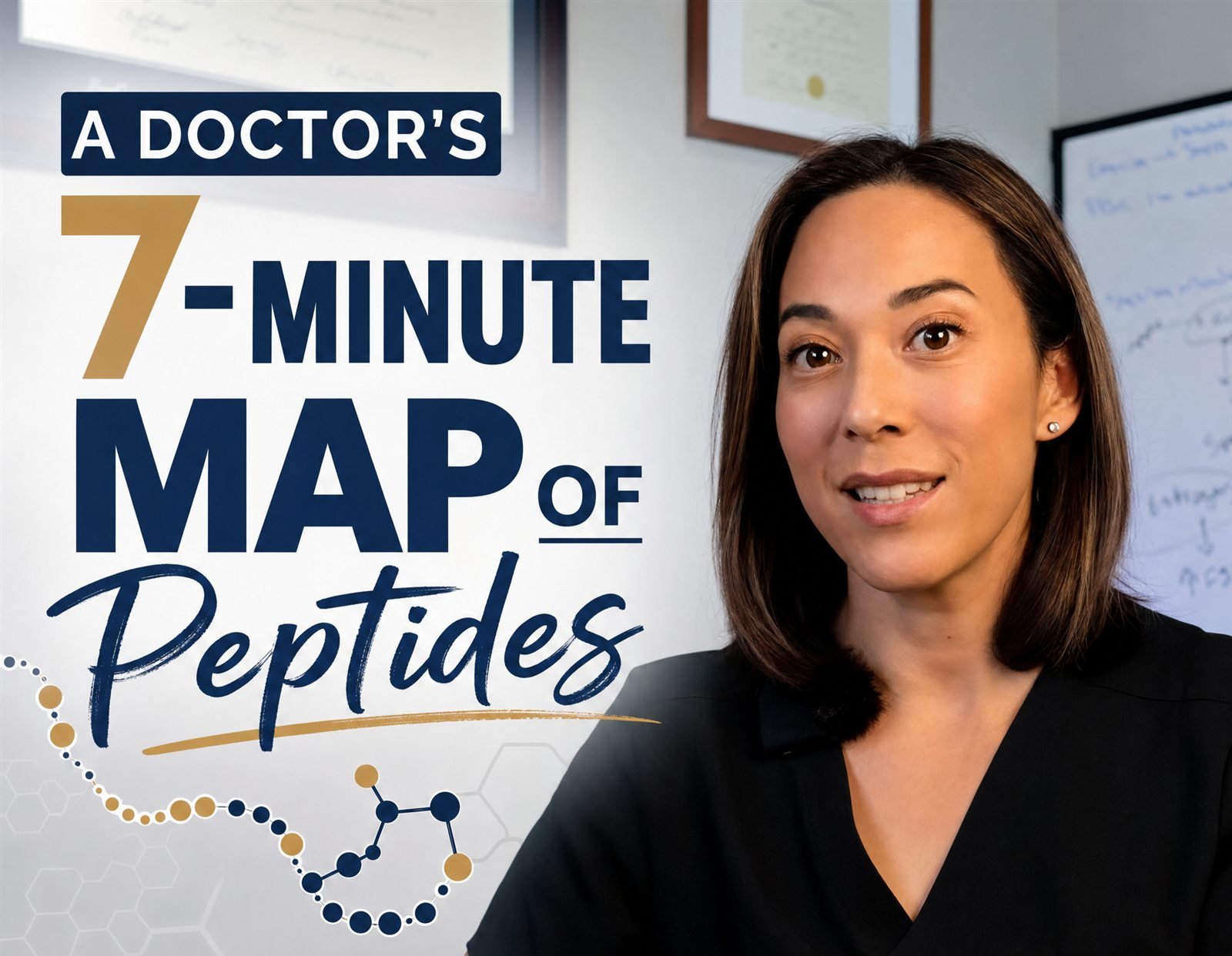
Peptides by goal: a doctor's 7-minute map of the field
Dr. Ashley Froese covers about 20 peptides in seven minutes, sorted by what people are trying to achieve: inflammation, energy, growth, fat loss, focus, anxiety and sleep. Here is that map laid out in full, with where each compound actually stands in the research and with regulators.
-
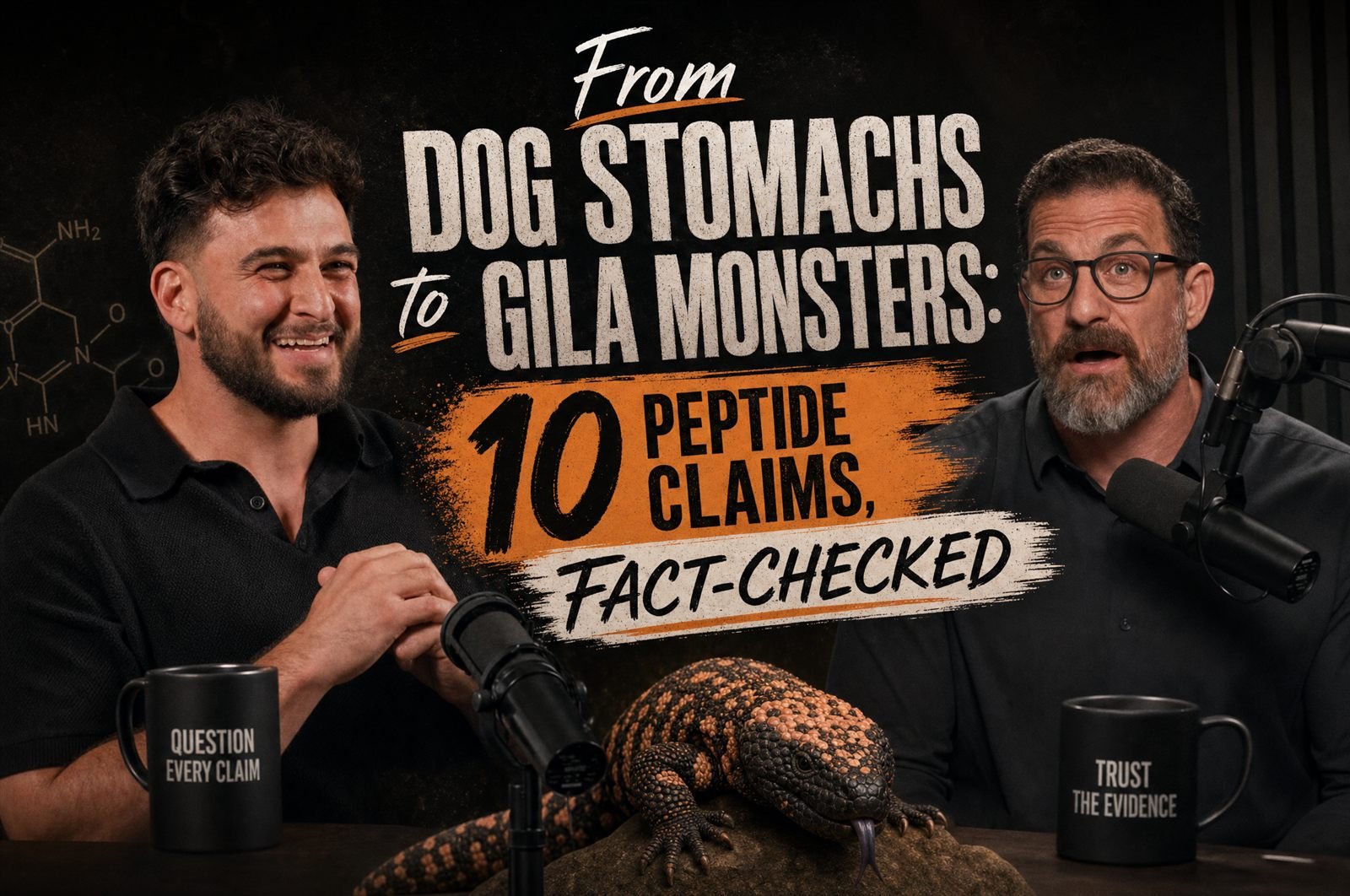
10 things from Huberman's peptide episode, checked against the record
Andrew Huberman's nearly three-hour conversation with internal medicine physician Abud Bakri covered Pavlov's dog-stomach business, a Croatian lab, Gila monster venom and a decades-long medical mistake. We pulled the 10 most interesting claims and checked each one against FDA records, patents and the published studies. Most hold up. A few don't.
-
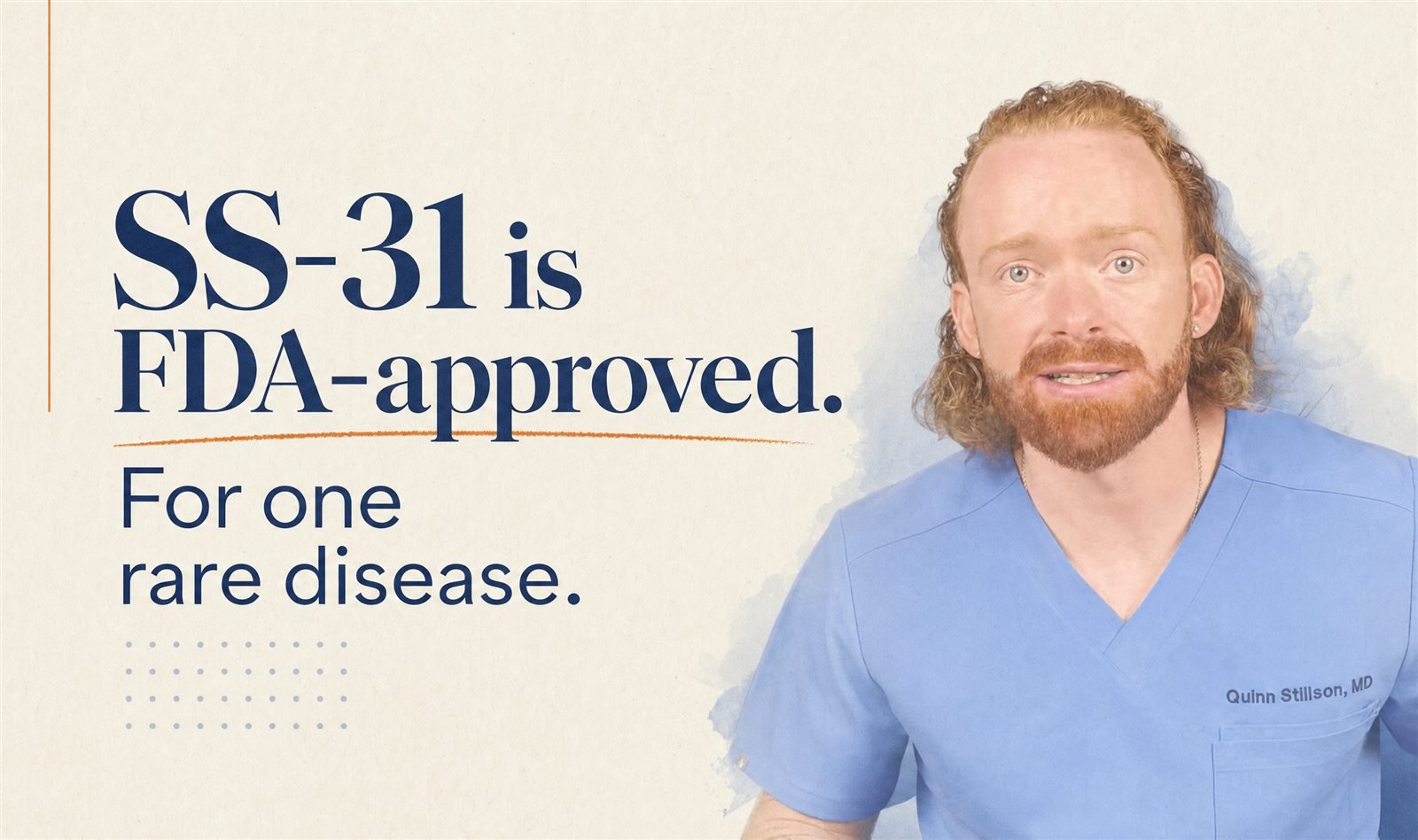
SS-31 got FDA approval. Here's exactly what that approval covers.
Dr. Quinn Stillson's 27-minute breakdown of SS-31 has been watched 130,000 times, and it's built on a real event: elamipretide was approved by the FDA in September 2025. The approval is narrower and stranger than almost any summary conveys, and the rest of the compound's human record is mostly failed trials. Here is the full picture.